

Web Designing
Why Product Reviews Matter for eCommerce
Having an online presence has become a must for businesses. WordPress is one of the most trusted and easy platforms to help businesses create a
In today’s digital landscape, having a strong online presence is crucial for the success of any business. Search engine optimization (SEO) plays a vital role in driving organic traffic to your website and improving your online visibility. In this comprehensive guide, we will explore effective strategies and techniques to boost your website’s SEO ranking. Whether you are a beginner or an experienced marketer, these tips will help you optimize your website and attract more visitors.
Keyword research is the foundation of any successful SEO strategy. Start by identifying relevant keywords and phrases that align with your business, products, or services. Utilize keyword research tools like Google Keyword Planner, SEMrush, or Ahrefs to discover high-volume keywords with low competition. Incorporate these keywords naturally into your website’s content, headings, meta tags, and URLs.
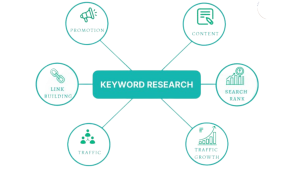
Content Creation: Keyword research provides valuable insights into the topics and themes that are relevant to your target audience. By identifying the keywords they use, you can develop content that directly addresses their needs and interests. Incorporating these keywords naturally into your content helps search engines understand the relevance of your page to specific search queries. This enhances your chances of ranking well and attracting organic traffic.
Promotion: Once you have created high-quality content, keyword research can assist in promoting it effectively. By understanding the keywords and phrases commonly used by your target audience, you can optimize your content for social media promotion, email marketing campaigns, and paid advertising. Using relevant keywords in your promotional efforts helps your content reach the right audience and increases the likelihood of engagement and conversions.
Link Building: Keyword research plays a significant role in link building strategies. When conducting outreach for guest blogging opportunities, resource link building, or influencer collaborations, having a clear understanding of the keywords that resonate with your audience helps in identifying relevant websites to target. By aligning your content and anchor text with specific keywords, you can acquire high-quality backlinks that contribute to your website’s authority and search ranking.
Traffic Growth: Keyword research allows you to uncover high-volume keywords with low competition. By targeting these keywords strategically in your content, you can attract more organic traffic to your website. As your website gains visibility in search engine results pages (SERPs) for relevant queries, the potential for increased traffic and brand exposure grows. Consistently monitoring and optimizing your keyword strategy enables you to capitalize on emerging trends and adapt to changing user search behavior, ensuring continuous traffic growth.
Search Rank Improvement: The primary goal of keyword research is to improve your website’s search rank. By identifying and targeting relevant keywords, you increase the likelihood of search engines recognizing the relevance and value of your content. As your website’s search ranking improves, it becomes more visible to users searching for specific keywords, driving more organic traffic and potential conversions.
On-page optimization refers to optimizing individual web pages to improve their visibility in search results. Focus on the following key elements:
Content is king when it comes to SEO. Develop high-quality, informative, and engaging content that provides value to your target audience. Incorporate relevant keywords naturally into your content while ensuring readability. Utilize different content formats like blog posts, videos, infographics, and podcasts to diversify your offerings and attract a wider audience.
Creating high-quality content is essential for attracting and engaging your target audience, establishing your brand as an authority in your industry, and improving your website’s SEO ranking. Here are some key considerations and strategies to create compelling and valuable content:
Understand Your Audience: Start by gaining a deep understanding of your target audience. Research their demographics, interests, pain points, and preferences. This knowledge will help you tailor your content to meet their specific needs and interests.
Define Clear Objectives: Determine the goals and objectives of your content. Are you aiming to educate, entertain, inspire, or solve a problem? Clarify what you want to achieve with each piece of content to ensure that it aligns with your overall content strategy.
Conduct Thorough Research: Before creating content, conduct comprehensive research on the topic. Gather information from credible sources, industry reports, case studies, and expert opinions. This research will provide you with a solid foundation and enable you to produce accurate and informative content.
Develop a Unique Angle: Differentiate your content by presenting a unique angle or perspective. Find gaps in existing content and offer fresh insights or alternative viewpoints. This not only provides value to your audience but also helps your content stand out from competitors.
Craft Captivating Headlines: Your headline is the first impression your content makes on readers. Create compelling, concise, and curiosity-evoking headlines that grab attention and entice users to click and read further. Incorporate relevant keywords naturally into your headline to improve its searchability.
Structure Your Content: Organize your content in a logical and easy-to-follow structure. Use headings, subheadings, and bullet points to break up text and make it scannable. This improves readability and helps users navigate your content, enhancing their overall experience.
Engage with Storytelling: Incorporate storytelling techniques to make your content more engaging and relatable. Tell anecdotes, share personal experiences, or use case studies to illustrate your points. This helps to connect with your audience on an emotional level and keeps them captivated throughout the content.
Provide Actionable Insights: Ensure that your content provides practical and actionable insights that your audience can apply in their lives or businesses. Offer step-by-step guides, tips, checklists, or downloadable resources to add value and establish your expertise.
Visual Appeal: Use visually appealing elements such as images, infographics, videos, and charts to enhance your content. Visuals not only break up the text but also make the content more engaging and shareable. Optimize images by compressing them to improve page loading speed.
Optimize for SEO: Incorporate relevant keywords naturally throughout your content, including in the headings, subheadings, and body text. However, prioritize the readability and flow of your content over keyword stuffing. Optimize meta tags, alt tags, and URLs to improve search engine visibility.
Include Calls-to-Action (CTAs): Guide your readers on the next steps they should take after consuming your content. Encourage them to comment, share, subscribe, download, or make a purchase. CTAs help drive user engagement and conversions.
Regularly Update and Refresh Content: Keep your content up to date by periodically reviewing and updating it with the latest information, statistics, or industry trends. Search engines favor fresh and relevant content, and updating existing content signals your commitment to providing accurate and current information.
Backlinks are a crucial ranking factor for search engines. Focus on acquiring high-quality backlinks from reputable websites within your industry. Reach out to industry influencers, collaborate on guest blogging opportunities, and actively participate in relevant online communities. Creating valuable content can also naturally attract backlinks from other websites.
Website Speed and Mobile Responsiveness User experience is an essential aspect of SEO. Optimize your website for fast loading times by compressing images, minifying CSS and JavaScript files, and leveraging caching techniques. Ensure your website is mobile-friendly and responsive to provide a seamless browsing experience across different devices.
Social media signals can indirectly impact your website’s SEO ranking. Promote your content on social media platforms to increase visibility and encourage user engagement. Additionally, list your business on relevant online directories and review platforms to boost your online presence and gain valuable backlinks.

Having an online presence has become a must for businesses. WordPress is one of the most trusted and easy platforms to help businesses create a

Level Up Your Career with Microsoft Office: Excel Word Powerpoint Microsoft Office is one of the most used software worldwide. Microsoft Office has many products

Unlock Your Future with Apex52 : Computer Training Institute Welcome to Apex52 Computer Training Intitute, your gateway to a world of multiple skills possibilities! In

Introduction: In today’s digital era, a captivating and functional website is an absolute must for any business or individual looking to establish a strong online

Importance of Responsive Website Design: Responsive website design is a critical aspect of modern web design. It ensures that websites can adapt to different screen

Having a website can be important for businesses and individuals in India, as it provides a platform to reach a wider audience and showcase their